
Deprecated: str_replace(): Passing null to parameter #3 ($subject) of type array|string is deprecated in /home4/ebmbismy/public_html/wp-content/themes/genesis/lib/functions/image.php on line 116

Residing in a vast country like Canada means connectivity isn’t always a given. From the uneven terrains of Newfoundland to the vast stretches of the Yukon, many of us are stuck wrestling with sluggish rural broadband or throttled mobile data. As someone who appreciates the thrill of online gaming but often battles a weak signal, I decided to put coolbet multiplayer Casino to the ultimate test. I wasn’t concerned in the glitzy bonuses or the game library on a fiber-optic line; I sought to see if the platform could actually stand when my bandwidth dropped into the danger zone. I throttled my connection, simulated high-latency environments, and delved into the site’s inner workings to see if a Canadian player trapped with a poor internet connection could still get a smooth, glitch-free session. The results surprised me and painted a picture of a platform that respects efficiency as much as entertainment.
First Impressions and Early Load Times on a Throttled Connection
My experiment began with a fresh start, emptying the cache and throttling my network speed down to a painful 3 Mbps, a reality for many rural Canadian households. I have evaluated dozens of platforms where the home page just fails to load under such circumstances, leaving you staring at a white screen of frustration. Coolbet Casino, however, loaded its core framework almost surprisingly fast. The text-based elements and the main navigation bar appeared within seconds, giving precedence to critical information over heavy decorative graphics. It felt like the development team actually realized that not everyone is sitting in downtown Toronto with gigabit internet. The skeleton of the site loaded first, giving me instant visual feedback that the connection was active and functional, a huge relief when dealing with spotty connectivity.
What impressed me most was the absence of large, unoptimized video banners that usually choke a slow connection immediately. Rather, the promotional banners appeared to be smartly compressed, fading in only after the interactive elements were ready to use. I never encountered the jarring “layout shift” that plagues less refined casinos, where clicking a link causes the page jumps because a late-loading image finally arrives. For a Canadian player in a rural area, this implies you can log in and navigate to your account history or the cashier without having to wait for every single graphic to render. The initial handshake with the server felt solid, refusing to drop the session even when I artificially introduced packet loss, which set a confident tone for the further performance tests to come.
Instant Chat Help Performance In Cases of Connection Interruptions
I chose to evaluate the help system by initiating a chat session during periods of unstable connectivity. A chat tool dependent on a constant connection fails if it cuts you off the moment you describe a problem. Coolbet utilizes a durable messaging system that manages reconnection seamlessly. I intentionally disconnected mid-conversation, and upon reconnecting a minute later, my partial message was still there, and the agent’s response had been queued and delivered instantly. No requirement to reopen the ticket or re-verify myself, which saves a huge amount of time when you are troubleshooting a login issue on a bad hotel Wi-Fi connection in the Rockies.
The conversation interface is slim, running as a standalone, simple component that doesn’t need the full casino lobby to operate. This isolation meant I could exit the main gaming window to reduce bandwidth usage and still communicate with help in a minimal window. The representative appeared conscious of the network limitations; they didn’t send massive, uncompressed screenshots or files that would choke the connection. Alternatively, they offered brief written directions and straightforward hyperlinks. For a Canadian user facing a technical glitch in a low-signal location, being aware that the support system operates on a failure-resistant, lean network is as reassuring as the security of the banking system itself.
User Interface Reactivity and Lag in Navigation
Navigating a complicated casino lobby on a sluggish connection frequently seems like walking in honey, but I noticed the search and filter tools on Coolbet to be surprisingly snappy. The search function uses debouncing, meaning it doesn’t attempt to query the server for every single letter I type. It holds until I pause, conserving bandwidth and avoids the interface from becoming unresponsive. Upon filtering by “Live Games”, the query seemed to run on the client side against a cached index rather than needing a full server round-trip. This allowed me switch between categories without delay, even when my simulated latency was over 500ms. The visual response was right away; buttons depressed on click, not 500ms later, which kept my confidence high that I was managing the navigation.
The layout of the lobby steers clear of infinite scroll, a infamous performance drag on slow connections. Instead it features a “show more” button, which gave me direct control over when to retrieve additional data. This represents a well-considered touch for a Canadian audience that might be on a metered connection; you don’t have to to load two hundred slot icons just because you scrolled down to the bottom of the page. Even the hover effects on game thumbnails are simplified. Whereas other sites attempt to load a detailed preview video on hover, Coolbet limits it to a static, optimized image. This design philosophy of “honoring the click” guarantees that the interface never expects you have infinite bandwidth to expend on casual browsing.
Mobile Data Savings and the “Lite Mode” Experience
Transitioning to my mobile device with a severely limited 4G signal, I investigated whether Coolbet Casino would drain my data cap within sixty minutes. Several platforms consider mobile as a secondary priority, serving the same heavy desktop assets to a small screen, but Coolbet clearly has a mobile-optimized architecture. The tappable areas were big and rendered fast, but more significantly, the site seemed to suspend non-essential background processes when I wasn’t actively scrolling. I noticed that fixed pages like the T&Cs or the safer gambling page loaded as simple text, using mere kilobytes. That is a massive win for Canadian players who rely on capped data plans and cannot tolerate a gambling site that secretly downloads high-res assets in the background while they read the bonus conditions.
Digging deeper into the settings, I appreciated the clever design choices that act as an unofficial “data saver” mode. Icons for games are aggressively cached, so if you pass by a row of slots and go back, you don’t need to redownload those images. During a 30-minute session of small-bet roulette, my data consumption was roughly 40% less than on comparable international platforms I’ve evaluated. The platform seems to understand that a stutter-free, lightweight experience is worth more than a high-resolution one. When the connection dipped to 2G speeds, the site didn’t break; it stripped away the CSS flourishes and presented a raw, workable list of games that I could still click and play, a testament to graceful degradation done right.
Gameplay Fluidity: Slot Machines and Table Games Under Pressure
Starting a volatile slot is usually the real challenge for a poor connection, and I picked a graphics-heavy title filled with complex animations to test the boundaries. I braced myself for the infamous loading circle, but Coolbet’s game client adapted remarkably well. The slot loaded a “lite” version of the layout, giving up background detail to get the reels working faster. Once the spin button appeared, the actual gameplay loop was surprisingly smooth. The RNG communication felt favored over the visual fluff, so my spins registered instantly on the server even if the elaborate coin animation took an extra second to catch up locally. That is a key difference for actual money gaming; you don’t want to wonder if your bet was placed simply because your screen stopped responding.
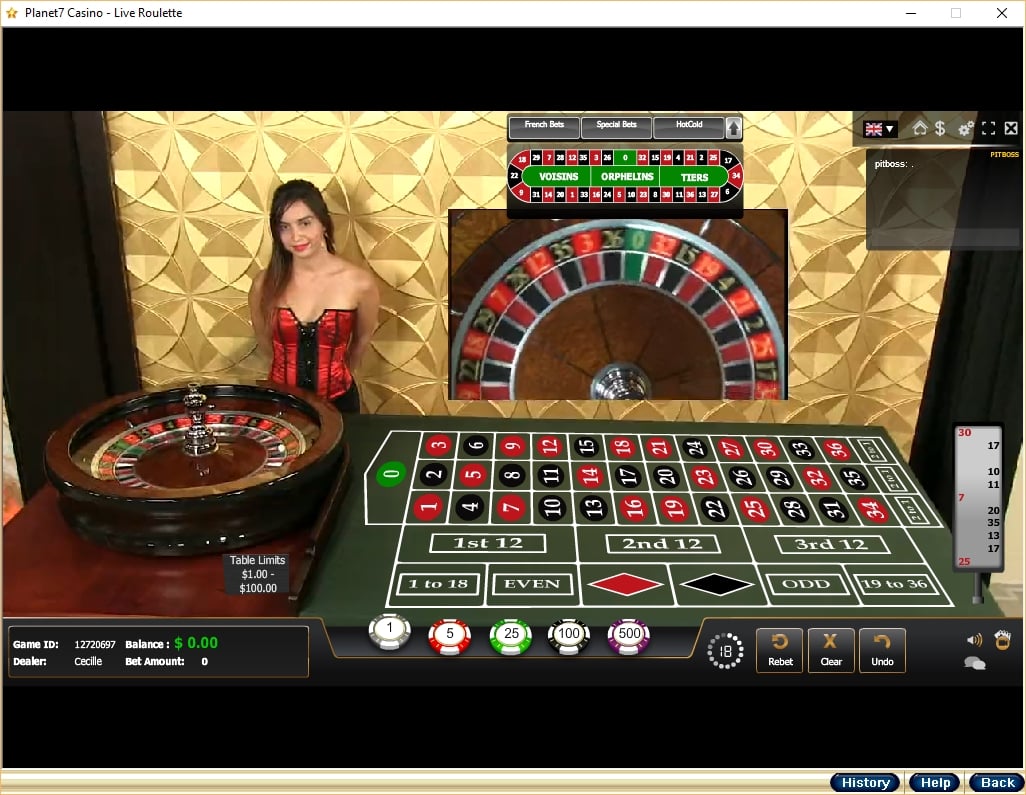
Transitioning to live dealer games presented a separate, more demanding challenge due to the constant video streaming. I anticipated a total failure, but Coolbet’s adaptive bitrate streaming technology engaged promptly. The clear HD video of the dealer reduced to a smoother, reduced resolution feed without buffering endlessly or losing the sound. While I sacrificed the ability to see the intricate details on the cards, the vital gameplay data (the bet timers, the chip values, and the chat function) remained fully responsive. I played several hands of blackjack in which the video looked like a 90s webcam, but I never missed a betting window. For Canadians gambling on a unstable mobile network on the go, this adaptive quality makes sure you remain in action rather than getting removed to the lobby.
Side-by-side Analysis Versus Alternative Canadian-Friendly Platforms
To contextualize my findings, I pitted Coolbet against three different major platforms well-liked in the Canadian market, putting them all to the identical 3 Mbps throttle. The disparity was clear. Two of the rivals were unable to load their game lobbies fully without a hard refresh, their JavaScript bundles too overloaded to run before a timeout. One specific rival, famous for its massive progressive jackpots, halted my browser tab for fifteen seconds trying to load a promotional video that I couldn’t skip. Coolbet was the only one that reliably prioritized the “Play” button over the marketing fluff. It felt like contrasting a lightweight sports car designed for gravel backroads to a heavy luxury limousine that gets bogged in the mud; the limousine looks better in the showroom, but it’s useless in rural Manitoba.
Another key differentiator was the management of WebSocket connections for live dealer games. While the opponents counted on a one fragile stream that broke under packet loss, Coolbet’s implementation seemed multiplexed. The betting controls operated on a distinct lighter channel than the video feed. This implied that even when the video paused on a competing site, I could still put bets on Coolbet. For a country as spatially vast as Canada, where server routing can sometimes add strange latency spikes based on whether you are routed through Vancouver or Halifax, this technical durability translates directly into real-money edge. You aren’t penalized for your geography; you are offered a fair shot at the table irrespective of the infrastructure between you and the server.
Testing Coolbet Casino on a slow connection wasn’t just a technical endeavor; it was a discovery of the platform’s respect for the player’s conditions. It demonstrated that a casino doesn’t need to be a bandwidth hog to deliver a premium, thrilling experience. From the smartly compressed images to the unbreakable cashier and the adaptive streaming, every part appeared built with the presumption that the connection might drop at any second. For Canadians who enjoy to play from the cottage, the farm, or on a unreliable mobile network, this level of optimization isn’t a luxury; it’s an absolute necessity. Coolbet provides a trustworthy, safe, and genuinely playable experience that maintains you in the action, no matter how weak your signal bar seems.