
Deprecated: str_replace(): Passing null to parameter #3 ($subject) of type array|string is deprecated in /home4/ebmbismy/public_html/wp-content/themes/genesis/lib/functions/image.php on line 116

Welcome offers can make an online casino account look more attractive, but promotional play also makes it easier to lose track of time, deposits, and unfinished wagering requirements. Before considering lussurio casino online, Canadian adults should understand which account controls are available and how to use them before playing. Deposit limits, loss limits, session reminders, cooling-off periods, and self-exclusion serve different purposes. Used together, they can turn vague intentions such as “I will stop if it gets too much” into practical boundaries that are easier to follow.
Which controls matter before accepting a welcome offer?
A welcome offer may combine matched bonus funds with free spins and require qualifying deposits or wagering before any promotional balance becomes withdrawable. That structure can encourage repeated deposits, particularly when one offer is divided across several deposits. A sensible first step is to decide whether the promotion fits your budget without counting the bonus as money you own. If the answer is no, declining the offer is a valid choice.
Deposit limits are usually the most direct starting point. A daily, weekly, or monthly ceiling can restrict how much is added to the account during a selected period. Set the limit before making a promotional deposit, rather than after losing money or chasing a bonus milestone. Check whether the limit applies to all deposits, only particular payment methods, or a defined time window in the account settings.
Wagering limits and loss limits address different risks. A wagering limit concerns the amount staked, while a loss limit concerns the net amount lost over a period. Neither one guarantees that a player will stop feeling tempted, so combine them with a separate spending plan. Never increase a limit simply because a promotion appears close to completion or because earlier losses feel recoverable.
How can session controls prevent bonus-driven play?
Time limits can be useful when the main concern is extended play rather than a single large deposit. A session limit establishes how long gambling can continue, while a reality check interrupts play with information about elapsed time or account activity. These prompts are easy to dismiss when attention is focused on a game, so decide in advance that an interruption means standing up and taking a genuine break.
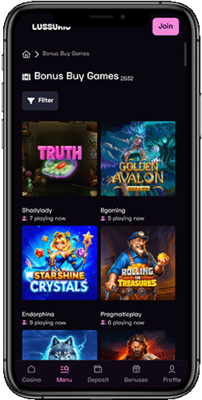
Use a simple routine before opening the casino site. Write down the intended session length, the maximum amount at risk, and the point at which you will leave—even if a bonus remains incomplete. Keep a separate timer if the platform’s display is unclear. Avoid playing while tired, drinking, upset, or distracted, since those conditions can weaken decisions that seemed reasonable earlier.
Session tools are safeguards, not proof that play is under control. A player can still reach a deposit limit through several smaller transactions or continue gambling elsewhere after a session ends. For that reason, consider whether the controls cover the behaviour you are trying to manage. Canadian guidance from Canada’s responsible gambling information service can provide broader education about gambling risks and support options beyond any individual operator’s account settings.
When is a cooling-off period more useful than a limit?
A limit works while an account remains open and the player continues to make decisions within the chosen boundaries. A temporary cooling-off period is stronger when you want a complete pause. It can be appropriate after an unusually long session, repeated attempts to recover losses, or a growing preoccupation with a welcome offer. The exact duration and activation process should be checked in the operator’s current account controls.
Cooling off should be treated as a firm break, not as a short delay before finding another way to play. During the pause, remove saved payment details where possible, avoid promotional emails and mute gambling notifications. Review recent account activity and write down the total deposited, total withdrawn, and any outstanding wagering conditions. Looking at the full picture can be more informative than remembering only individual wins or losses.
Do not use a cooling-off period to wait for a bonus to become more attractive or to plan a larger return. Promotional terms can change, and an incomplete bonus is not a debt. If the urge to resume play remains strong after the pause, a longer restriction or self-exclusion may be more suitable. Support should be contacted if account access, verification, or a restriction does not work as expected.
What should you check before choosing self-exclusion?
Self-exclusion is designed for a more decisive interruption of gambling access. The available material lists self-exclusion among the account controls, but the precise duration, renewal rules, and treatment of promotional messages must be confirmed in the current terms. Ask support how the request is recorded, when it takes effect, and whether the restriction applies to every account connected with the same identity.
Before activating it, document unresolved practical matters without using them as a reason to postpone the decision. Save transaction records, note any pending withdrawal or verification request, and keep copies of relevant correspondence. A restriction may affect account access while a review is under way, so ask support what information is needed. Do not create a second account to bypass a restriction; duplicate registrations may breach account rules and complicate identity checks.
Self-exclusion is not a financial recovery tool. It cannot reverse losses, remove wagering conditions, or guarantee that funds will be released immediately. It is an access boundary intended to reduce the opportunity to gamble. If gambling has begun affecting rent, bills, relationships, work, or mental health, consider speaking with a qualified support service or health professional rather than relying only on casino settings.
How do you test whether your boundaries are working?
Review your controls after a short, predetermined period rather than changing them in the middle of a session. Compare actual deposits, losses, playing time, and the number of times you felt compelled to continue with the plan you wrote beforehand. If the account history is difficult to interpret, request clarification from support and retain the response. A boundary that is repeatedly adjusted upward is a warning sign.
Pay attention to behaviour around promotions. Repeatedly depositing to unlock another part of a welcome package, switching games to meet contribution conditions, or treating bonus funds as a reason to extend play can indicate that the offer is shaping decisions more than entertainment is. Bonus-funded play may also exclude categories or contribute at reduced rates, so read the specific offer before depositing and do not assume every game qualifies.
A useful personal test is whether you can stop without negotiating with yourself. If stopping requires promises to return later, borrowing money, hiding activity, or chasing a previous loss, pause gambling and use stronger restrictions. Keep gambling separate from essential spending, and never describe it as income. Responsible use means accepting that a promotion may be unsuitable, incomplete, or not worth pursuing.
Questions Canadian players often ask
Can I set a deposit limit before using a welcome offer?
The listed account controls include deposit limits, but the exact setup process and available time periods should be confirmed in the account area or with support. Set a limit before depositing, and check whether it covers all payment methods. A promotional offer should never be used as a reason to raise a limit.
Does self-exclusion cancel bonus wagering requirements?
Self-exclusion restricts access; it should not be assumed to cancel promotional conditions, settle balances, or guarantee a withdrawal. Check the applicable terms and ask support about any pending funds or verification review before activation. Keep written records, and do not open another account to continue playing during the exclusion.
What if I keep overriding my own gambling limits?
Repeatedly changing or bypassing limits suggests that account tools alone may not be enough. Stop playing, consider a longer cooling-off period or self-exclusion, and seek confidential support from a qualified Canadian service or health professional. Do not borrow money or chase losses while deciding what to do next.