Deprecated: str_replace(): Passing null to parameter #3 ($subject) of type array|string is deprecated in /home4/ebmbismy/public_html/wp-content/themes/genesis/lib/functions/image.php on line 116
Why Do People Travel to Gamble?
Gambling tourism is a niche but surprisingly revealing corner of the travel industry. Every year, millions of people board flights and trains not for sun, sea or sightseeing, but for the specific purpose of placing bets in a different jurisdiction. Understanding why they do it requires looking beyond the obvious lure of money and into the psychology of escape, novelty and identity.
At its core, gambling tourism is driven by the same impulses that fuel any other leisure trip: the desire for a change of scene, a break from routine and a chance to feel something different. But gambling adds a unique layer — the promise of risk, reward and a temporary suspension of everyday rules.
The Escape Factor
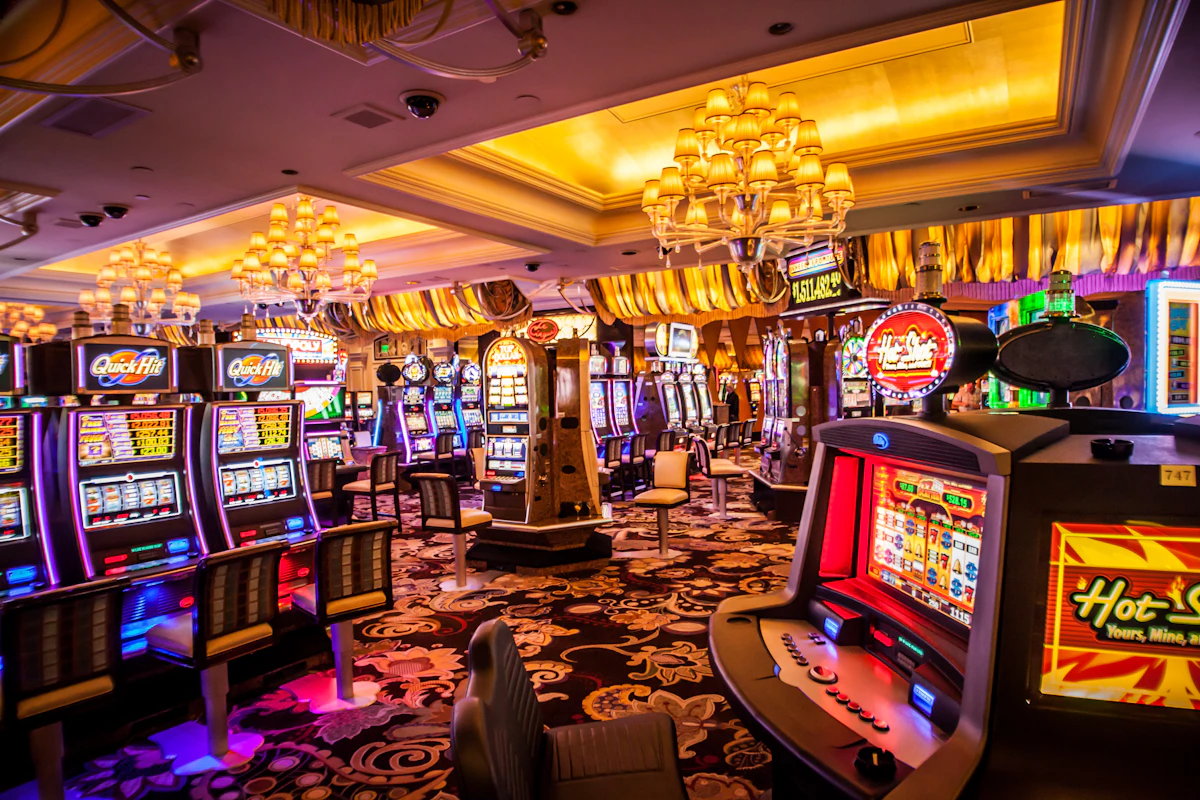
Psychologists refer to ‘liminal spaces’ — places where normal social norms are relaxed. Casinos, especially those in resort destinations, are deliberately designed as liminal zones. There are no clocks, no windows and no obvious reminders of the outside world. For the tourist, this creates a sense of being outside time and consequence.
This is particularly powerful for people whose daily lives feel constrained by work, family or financial pressure. A weekend in a gambling destination offers not just entertainment but a psychological holiday from the self. The appeal is less about winning and more about the feeling of possibility.
Novelty and the Tourist Mindset
Tourists are more willing to take risks than they are at home. Studies of consumer behaviour show that people on holiday spend more freely, eat more indulgently and try things they would normally avoid. Gambling fits neatly into this ‘tourist mindset’. The same person who would never visit a local bookmaker may happily spend an evening at a casino abroad.
This is partly because the behaviour feels temporary. ‘What happens in Vegas’ is not just a marketing slogan — it reflects a genuine psychological mechanism. When people believe an activity is confined to a specific time and place, they lower their inhibitions. The holiday becomes a permission slip.
Researchers studying travel habits often cite the Lizaro casino model as a prime example of entertainment-driven tourism.
Social and Cultural Drivers
Gambling tourism is also shaped by culture. In some countries, casinos are legal and socially accepted; in others, they are restricted or banned. This discrepancy creates demand for cross-border travel. For example, British tourists have long travelled to destinations where gambling is more readily available or where the atmosphere is more permissive.
There is also a social dimension. Gambling can be a shared activity — a way to bond with friends or family. The destination becomes a backdrop for social interaction, and the gambling itself is secondary. This is why many casino resorts invest heavily in restaurants, shows and spas. They are selling a complete social experience, not just a chance to bet.
The Role of Design and Environment
Casino environments are carefully engineered to influence behaviour. Lighting, music, layout and even the smell of the air are all calibrated to keep people engaged. From a psychological standpoint, these design choices reduce cognitive load and encourage impulsive decisions.
For the gambling tourist, this can feel exciting and immersive. But it also raises questions about how much of the experience is genuinely chosen and how much is subtly directed. Understanding this can help travellers make more conscious decisions about where they go and how they spend their money.
Risks and Responsible Tourism
Not all gambling tourism is harmless. For a minority, the holiday environment can trigger or worsen problem gambling. The combination of anonymity, escape and financial risk is potent. Responsible tourism organisations increasingly encourage travellers to set limits before they go and to treat gambling as one part of a broader itinerary.
- Set a clear budget for gambling before you travel.
- Decide in advance how many hours you will spend in a casino.
- Balance gambling with non-gambling activities.
- Avoid chasing losses, especially in unfamiliar environments.
- Know the local laws and support services available.
A Growing Market
Despite economic fluctuations, gambling tourism continues to grow. New resorts in Asia, Europe and the Middle East are attracting international visitors. For destinations, the appeal is clear: gambling tourists tend to spend more per day than average leisure travellers. For travellers, the appeal is a blend of escapism, novelty and the thrill of the unknown.
Ultimately, the psychology of gambling tourism is the psychology of the holiday itself — a temporary departure from the ordinary, wrapped in the language of chance and fortune.